Lower your carbon
footprint and maximise
energy efficiency

Contact us today to find out
more about Heat Pumps

Recommended by 100% of our customers

Heat Pumps

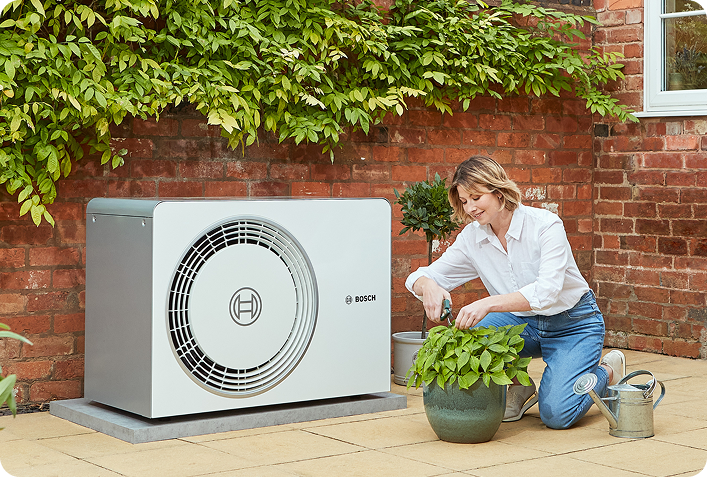
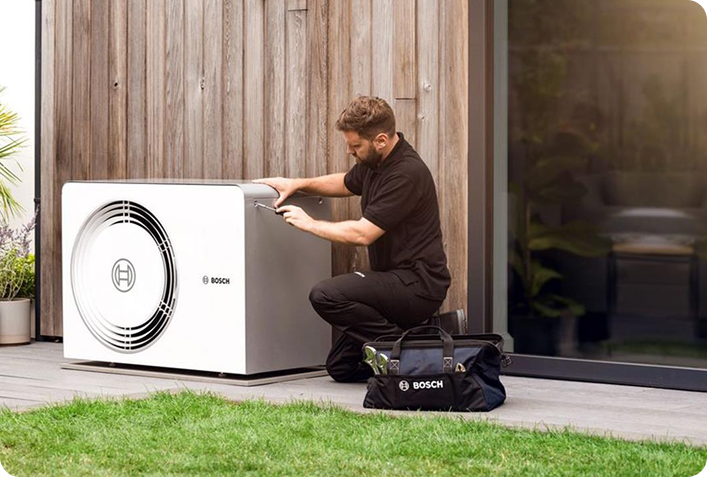
An air source heat pump is a renewable heating system that uses electricity to take warm air from outside and uses it to supply your home with heat and hot water.
Heat Pumps are more energy efficient than conventional methods of heating your home. If you are looking to make home improvements or are building your dream home and want to reduce your carbon footprint and your energy bills, Heat Pumps offer an excellent long-term solution. They are suited to a variety of different building types and locations and can offer a cost-effective and environmentally friendly way of keeping your home warm.

How Heat Pumps work

The Air Source Heat Pump takes heat from the air and boosts it to a higher temperature using a heat pump. Using electricity and refrigerant technology, the pump compresses refrigerant to increase its temperature. It then condenses back into a liquid to release it as stored heat. Heat is sent to your radiators or underfloor heating.

Why switch to a Heat Pump?

Switching from a gas boiler to a heat pump delivers major environmental and financial advantages for homeowners.

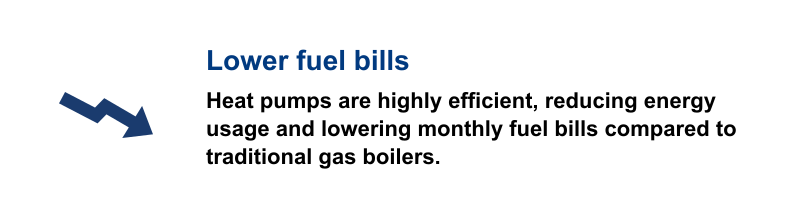
Heat pumps are highly efficient, harnessing renewable energy from the air to provide heating and hot water, which helps cut carbon emissions and reduce dependence on fossil fuels.

With energy prices continuing to rise, heat pumps offer long-term savings by lowering energy usage, especially in well-insulated homes.

Government support, like the Boiler Upgrade Scheme, can also help reduce upfront costs, making the switch more affordable. By adopting a heat pump, you’re opting for a sustainable, future-proof heating solution that supports the UK’s net-zero targets while improving comfort and efficiency at home.


Government Funding
for Heat Pumps

At PF Heating & Gas Services, we’re proud to support homeowners looking to switch to more sustainable heating solutions. The UK Government’s Boiler Upgrade Scheme offers grants of up to £7,500 to help cover the cost of installing an energy-efficient heat pump.

By replacing your traditional gas boiler with a heat pump, you can reduce your carbon footprint, lower your energy bills, and future-proof your home.

With our expert installation services and guidance through the grant application process, we make the transition to greener heating simple and affordable.

Get in touch today to find out how you can benefit from this government-backed scheme.

I would 100% recommend
Franco for anyone
looking to upgrade their
existing heating system.

Colin Lees

Our frequently asked Heat Pump questions

Find answers below to our frequently asked questions of feel free to get in touch

Benefits include lower carbon emissions, reduced energy bills, and decreased reliance on fossil fuels. Heat pumps are also eligible for government incentives, which can help reduce installation costs, making them an attractive choice for eco-conscious homeowners.
Air source heat pumps can reach efficiency levels of 300-400%, meaning they produce three to four times more energy than they consume. This high efficiency results in lower energy bills and a smaller carbon footprint compared to traditional gas or oil boilers.
With proper maintenance, air source heat pumps can last 15-20 years or longer. Regular servicing can help ensure the system operates efficiently and extends its lifespan, providing dependable heating for many years.
An air source heat pump extracts heat from the outside air, even at low temperatures, and transfers it into your home to provide heating and hot water. It operates much like a refrigerator in reverse, using a refrigerant cycle to absorb and release heat, making it a highly efficient heating option.

Yes, air source heat pumps are designed to operate effectively even in cold climates, down to -15°C. They are highly efficient in the UK climate, providing a reliable heating solution throughout the year, especially in well-insulated homes.

Maintenance is relatively minimal and typically involves annual servicing to check refrigerant levels, clean filters, and ensure the system is functioning correctly. Regular maintenance helps maintain efficiency and can extend the system’s lifespan.